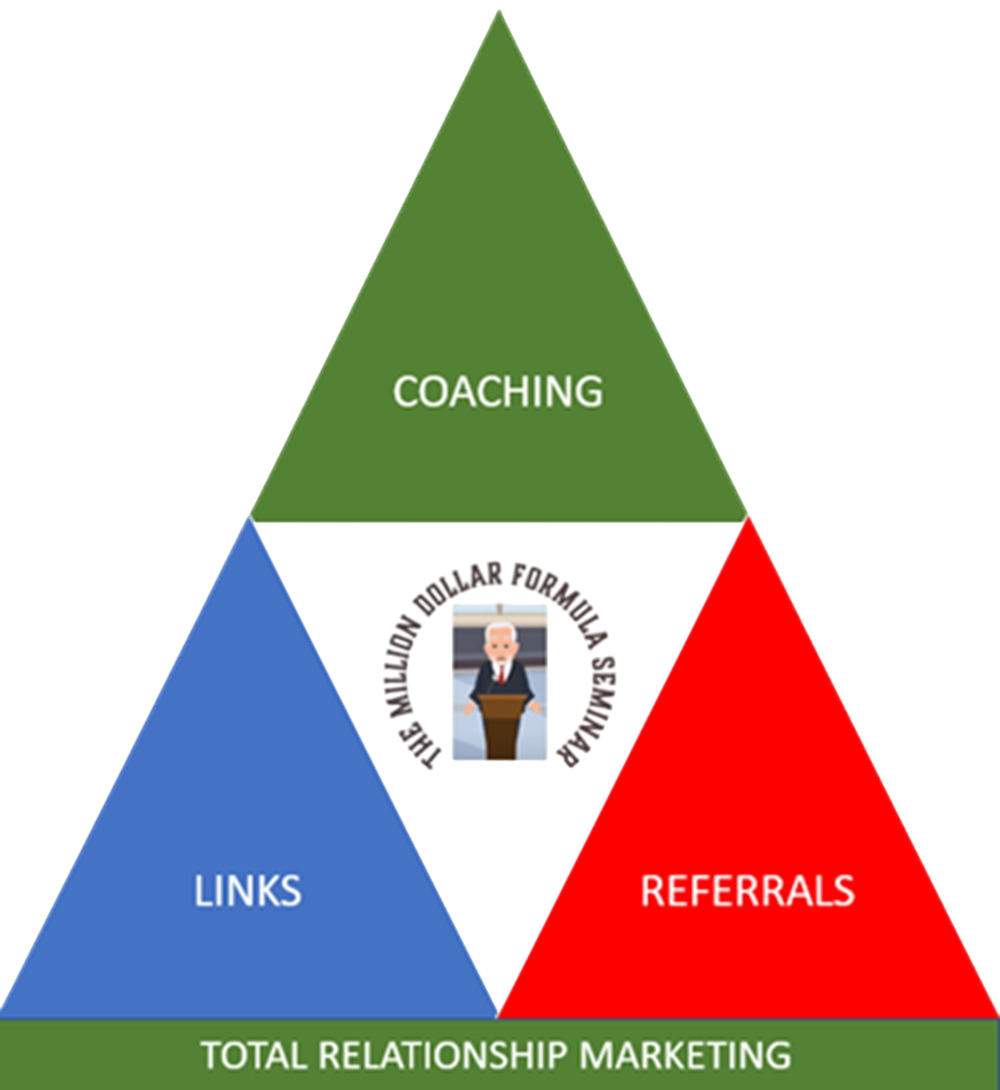
Target marketing is picking a specific group of people or businesses you want to serve, then tailoring your message, offer, channels, and follow-up to fit them—instead of trying to market to “everyone.”
What it includes
Target market: The broader group you’re aiming at (e.g., “independent dentists in Florida”).
Segmentation: Breaking the market into smaller groups (by industry, income, location, needs, behavior, etc.).
Targeting: Choosing which segment(s) to focus on first.
Positioning: How you want that segment to think about you (“the easiest way for dentists to get consistent patient referrals without buying ads”).
Common ways to define a target
Demographics: age, income, job title
Geography: city/state/region
Firmographics (B2B): industry, company size, revenue, # of employees
Psychographics: values, motivations, attitudes
Behavior/needs: pain points, buying triggers, how they decide, urgency
Why it matters
Clearer messaging (people feel like you “get” them)
Lower marketing costs (less wasted effort)
Higher conversion (better fit + better timing)
Easier referrals (others know exactly who to send you)
Quick example
Instead of: “We help businesses grow.”
Target marketing: “We help medical practice owners with 3–10 providers increase new patients through relationship-driven referral systems.”
If you tell me what you sell and who you think your best customers are, I can help you write a tight target-market statement and a simple “ideal client” profile.